
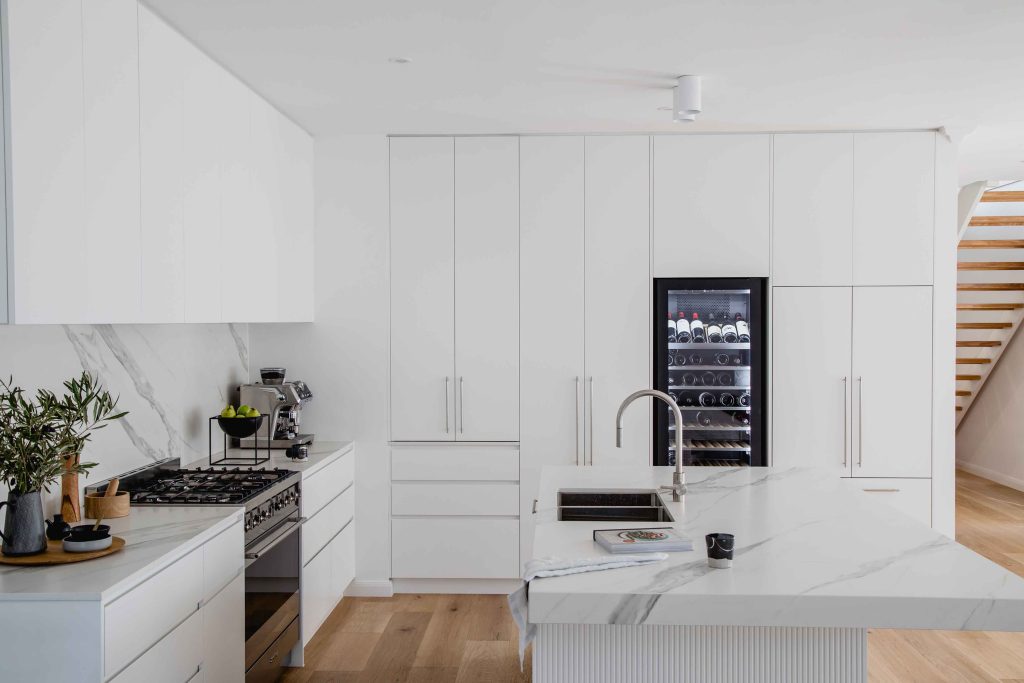
When planning a kitchen, many homeowners assume they need a large walk-in pantry to keep everything organised. But the reality is that a well-designed pantry often outperforms a much larger one that hasn’t been thoughtfully planned.
Whether you’re renovating an older home or building a new one with limited space, smart pantry design can make your kitchen feel more functional, organised and enjoyable to use every day.
The key isn’t simply creating more storage. It’s creating better storage that works with the way you cook, shop and live.
Here are some practical pantry ideas for small kitchens that can help you make the most of every centimetre.
Start with How You Actually Use Your Kitchen
One of the biggest mistakes people make is designing a pantry before thinking about what actually needs to go inside it.
Every household is different.
Some people love cooking from scratch every night, while others rely on meal preparation, bulk shopping or quick family dinners. Your pantry should support those habits rather than force you to work around its limitations.
Before planning shelves or drawers, ask yourself:
- What do you buy most often?
- Do you buy groceries weekly or monthly?
- Which appliances do you use every day?
- What items do you constantly reach for?
When your pantry is designed around your daily routine, it becomes easier to keep organised and far more enjoyable to use.
Think Vertically, Not Just Horizontally
Small kitchens often have plenty of unused vertical space.
Instead of stopping cabinetry below the ceiling, consider extending your pantry storage higher to maximise every available centimetre.
Store everyday items within easy reach and reserve the upper or very low shelves for:
- Entertaining platters
- Seasonal items
- Bulk pantry items
- Special occasion cookware
This approach keeps valuable middle tier storage available for the things you use most often while making the most of the overall footprint.
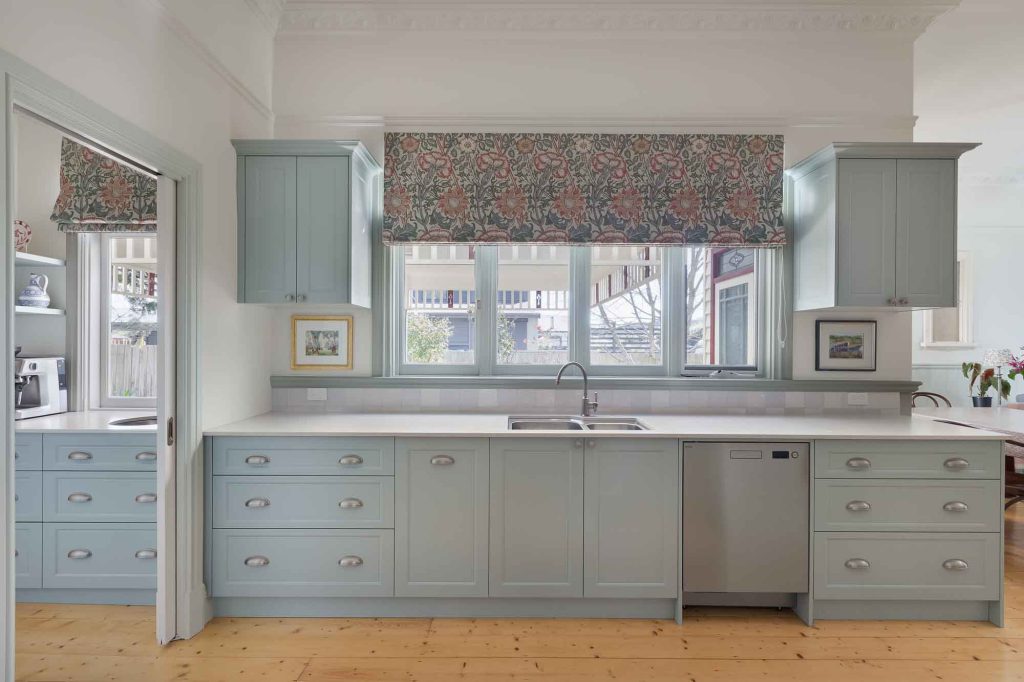
Drawers Often Work Better Than Deep Shelves
Deep shelves may appear to provide plenty of storage, but they can quickly become difficult to manage.
Items get pushed to the back, forgotten, duplicated or eventually thrown away because they’ve expired.
Deep drawers provide much better visibility.
With everything pulling out towards you, it’s easier to:
- See everything at once
- Reach items at the back
- Keep similar products together
- Reduce food waste
- Maintain organisation over time
Good pantry design isn’t about fitting in more items—it’s about making everything easier to access.
Group Similar Items Together
One of the simplest ways to create a more functional pantry is by creating dedicated zones.
For example:
- Breakfast items
- Baking ingredients
- Snacks
- Pasta and rice
- Oils, sauces and condiments
- Tea and coffee supplies
When everything has a designated home, cooking becomes faster, grocery unpacking becomes easier, and everyone in the household knows where things belong.
Make Everyday Items Easy to Reach
Frequently used ingredients shouldn’t require bending, climbing or moving several other items first.
Store everyday essentials between waist and eye level whenever possible.
Reserve lower shelves for heavier items such as:
- Pet food
- Bulk groceries
Upper shelves can be used for items accessed less frequently.
A pantry that reduces unnecessary bending and reaching simply works better every day.
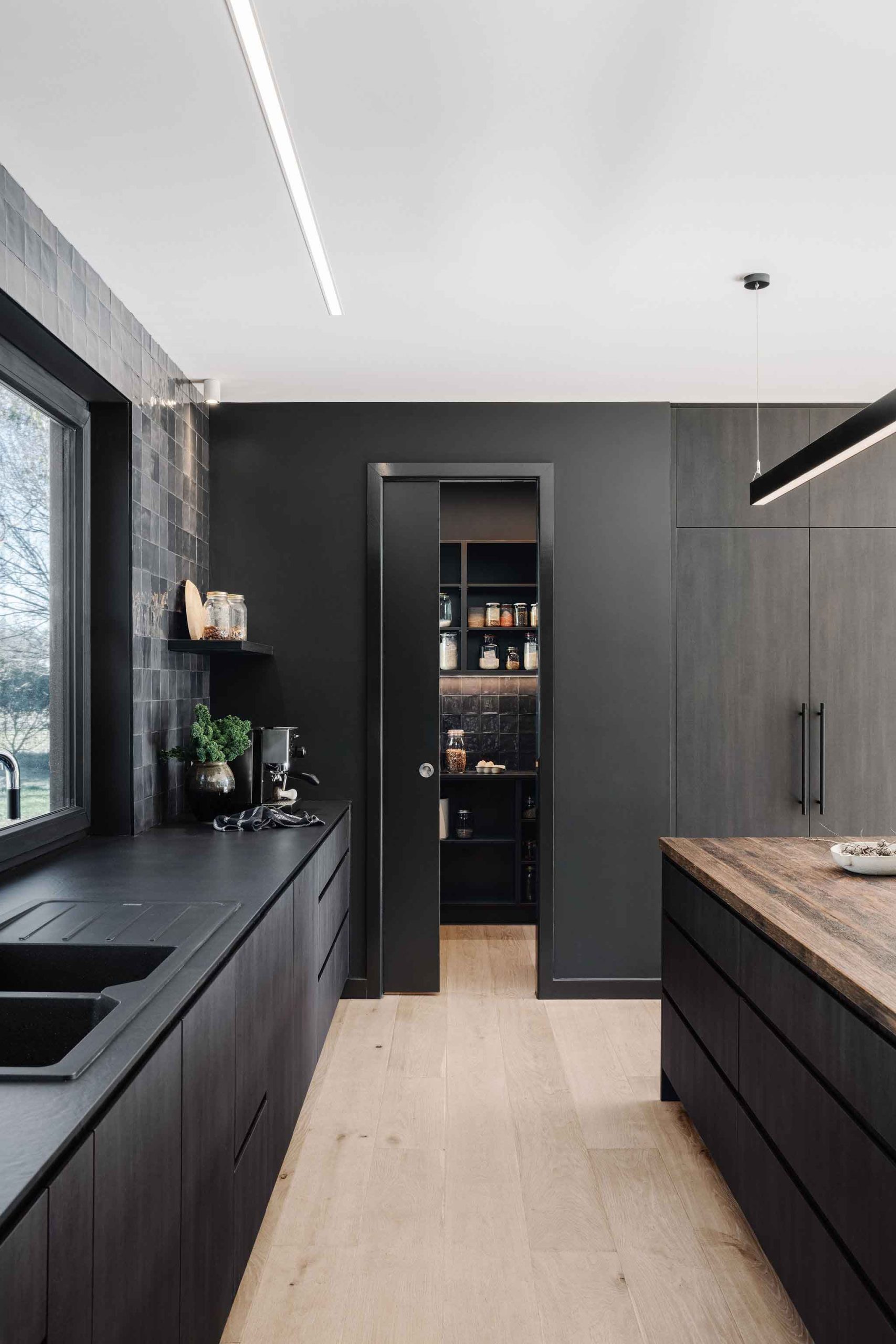
Don’t Forget Your Small Appliances
One challenge in many small kitchens is finding somewhere to store appliances without cluttering the benchtop.
If you regularly use appliances such as:
- Air fryers
- Mixers
- Coffee machines
- Blenders
- Slow cookers
Consider designing dedicated storage within your pantry.
This helps keep your kitchen looking cleaner while still allowing quick access when needed.
The goal isn’t to hide everything—it’s to store it where it’s convenient.
Visibility Is More Important Than Capacity
A pantry packed full of food isn’t necessarily an efficient pantry.
If you can’t easily see what you have, you’re far more likely to:
- Buy duplicate items
- Forget ingredients
- Waste food
- Create unnecessary clutter
Simple storage solutions such as clear containers, labelled containers and tiered shelving can dramatically improve visibility without requiring additional space.
The easier it is to see everything, the easier your pantry becomes to maintain.
Design for Flexibility
Your family’s needs will change over time.
Children grow, shopping habits change, and new appliances inevitably find their way into the kitchen.
A flexible pantry design allows shelves to be adjusted, storage zones to evolve and new items to be accommodated without requiring a complete redesign.
Designing with flexibility in mind helps ensure your kitchen continues to work well for years to come.
Bigger Isn’t Always Better
One of the biggest misconceptions is that every home needs a huge pantry.
In reality, a thoughtfully designed small pantry can often be more functional than a large pantry with poor organisation and inefficient storage.
At White Pebble Interiors, we always start by understanding how our clients live, cook and use their kitchens before designing storage solutions.
That’s because good pantry design isn’t measured by its size—it’s measured by how effortlessly it supports everyday life.
A pantry that makes cooking easier, reduces clutter and keeps everything within easy reach will always outperform one that’s simply bigger.
If you’re renovating or building your Forever Home™, spending time getting your pantry design right is one of the smartest investments you can make. A functional pantry may not be the first thing people notice when they walk into your kitchen—but it will be something you appreciate every single day.